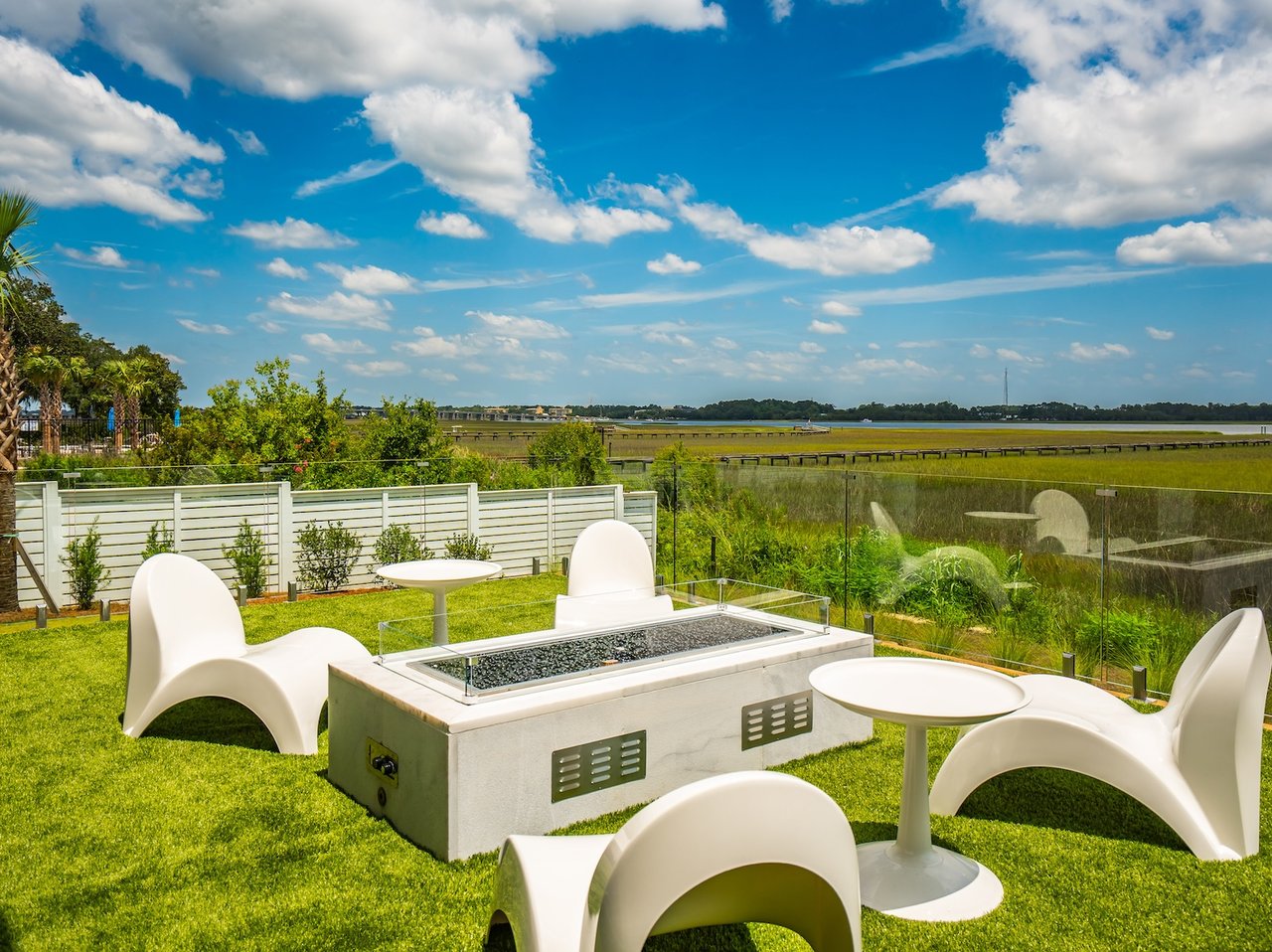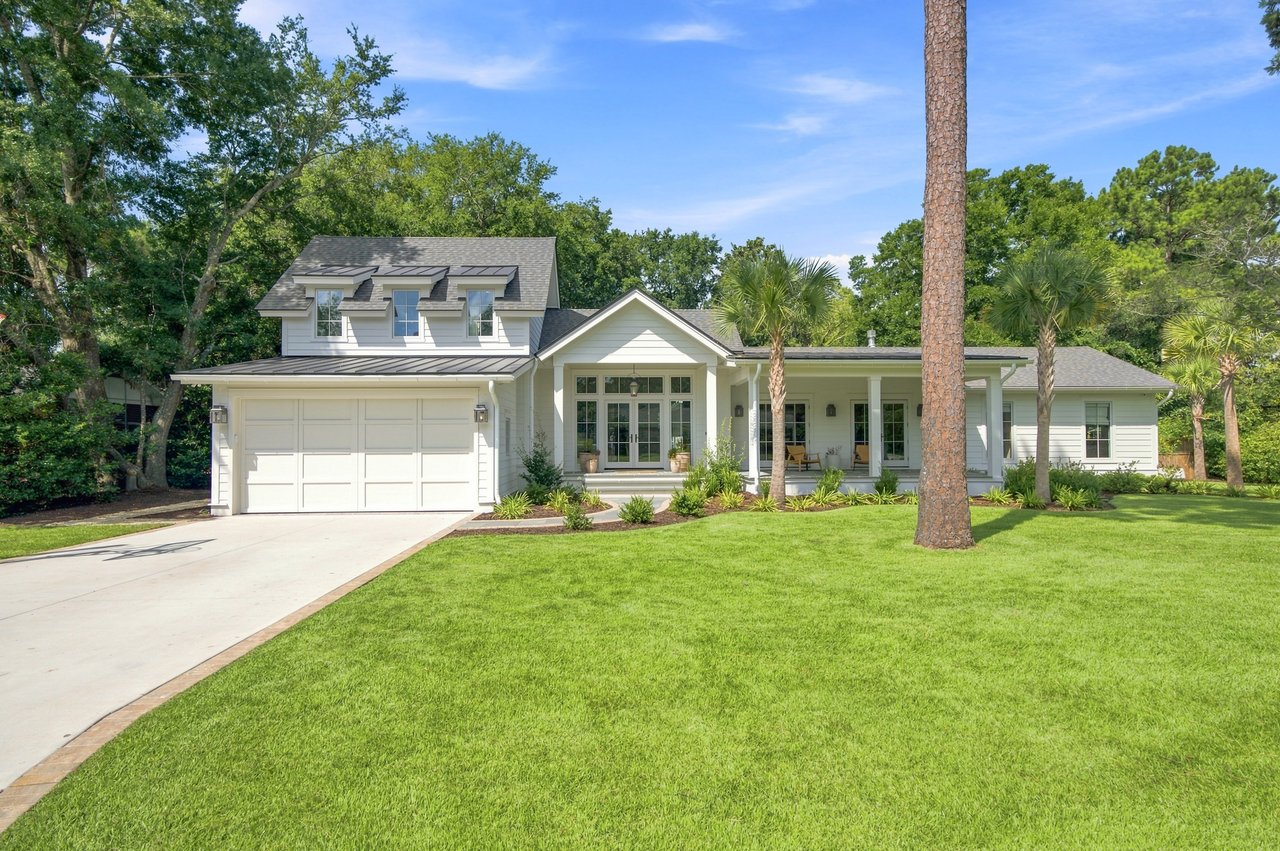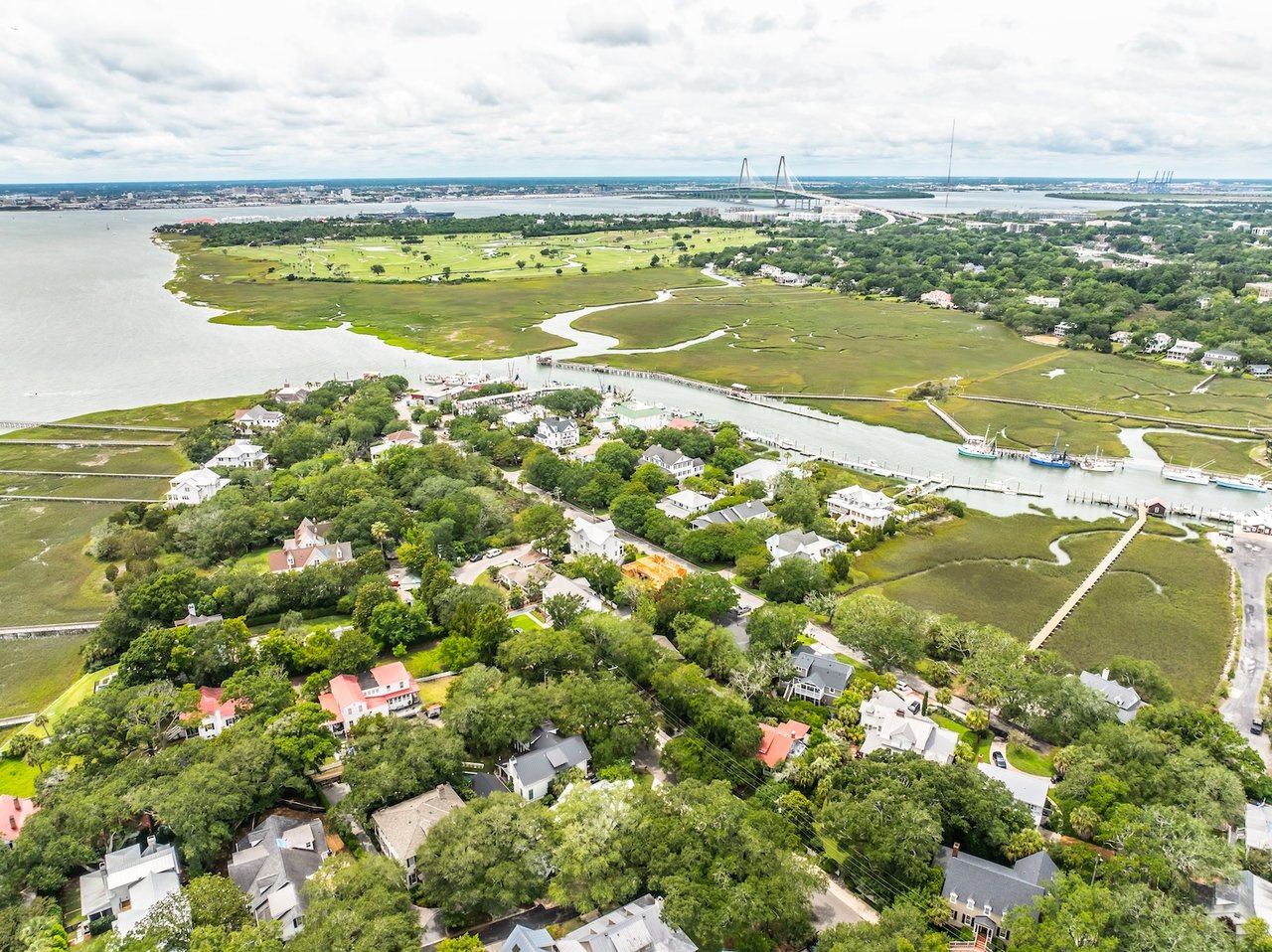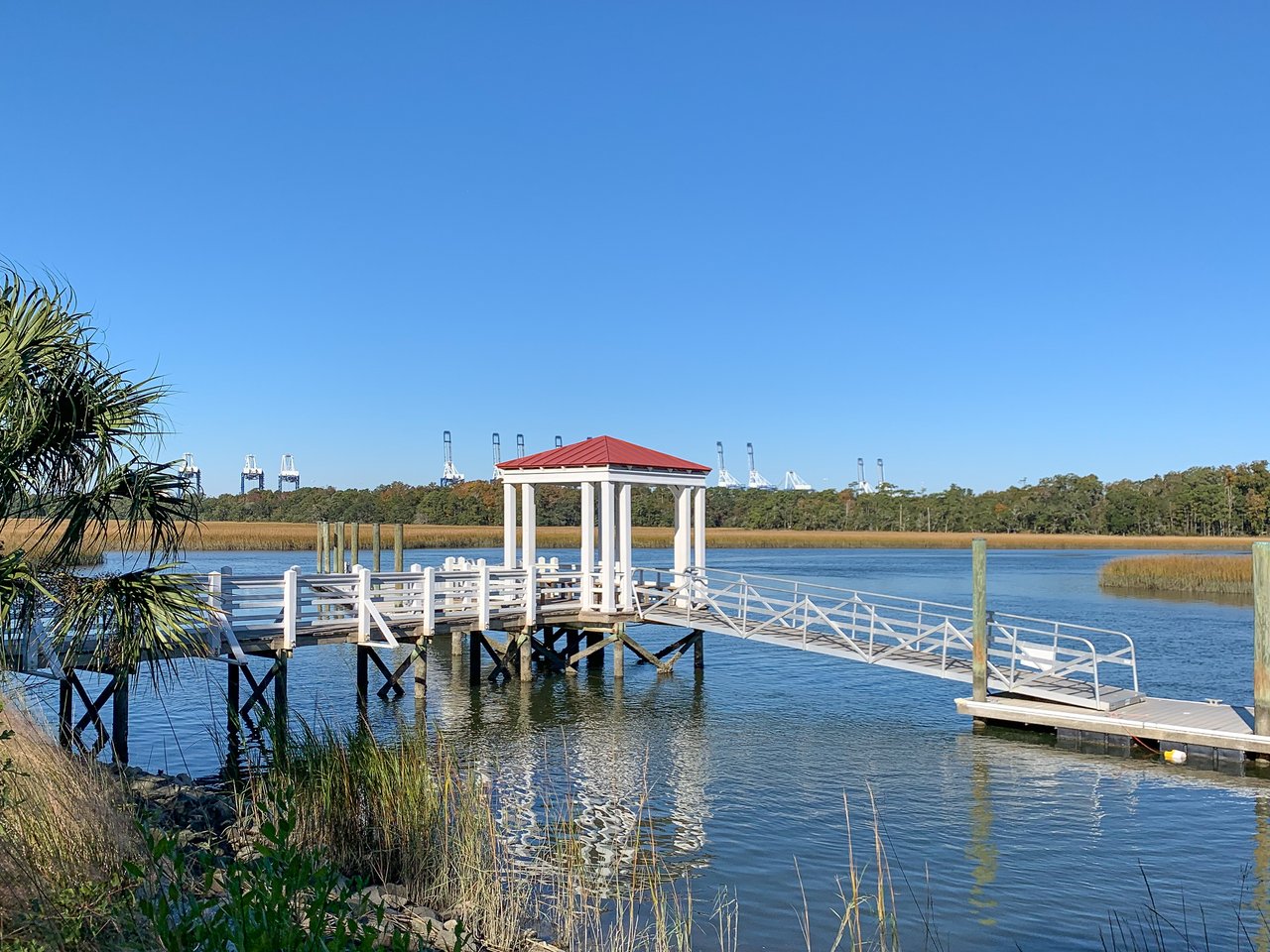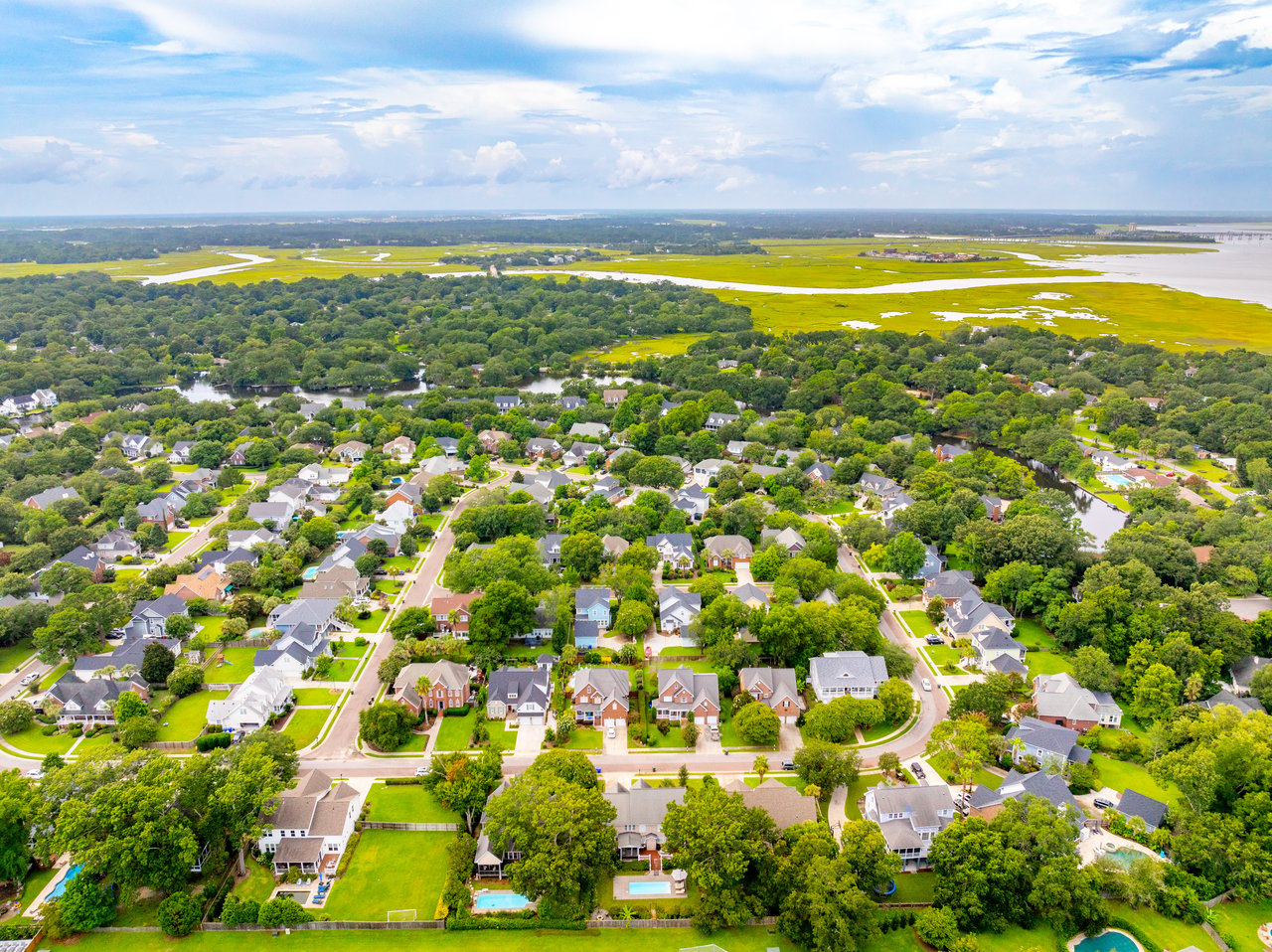
The Town of James Island was founded in 1992, and after years of legal battles struggling to exist, the Town succeeded in 2012 with its fourth and final incorporation. Life on James Island is centered around the outdoors and local connection, with a touch of history, culture, small-town living, and laid-back beach vibes. You can often find residents of James Island participating in a plethora of outdoor activities, from kayaking and paddleboarding to walking and biking around local parks. With a great location and connection to so many local amenities, James Island is truly a unique community with the best the Lowcountry has to offer.
Historical Markers & Sites
James Island has quietly witnessed more American history than almost anywhere else in the Lowcountry, from the Revolutionary skirmishes, the opening shot of the Civil War, and a story of Gullah/Geechee resilience that still shapes the island today.
Fort Johnson (end of Fort Johnson Rd.) — The original fort was built here in 1708. On September 15, 1775, colonial forces under William Moultrie's command, including a young Francis Marion, seized it from the British, one of the first acts of the Revolution in South Carolina. Then, on April 12, 1861 at 4:30 a.m., a mortar shell fired from Fort Johnson arced over the harbor and exploded above Fort Sumter, the opening shot of the Civil War. The site was listed on the National Register of Historic Places in 1972; you can still walk the grounds and look out toward Sumter today.
Fort Lamar Heritage Preserve & the Battle of Secessionville (Fort Lamar Rd., Secessionville) — On June 16, 1862, Confederate defenders here repelled repeated Union assaults in one of the war's lesser-known but strategically vital battles, protecting Charleston from an early land invasion. Two historical markers stand at the site: a 1924 stone marker placed by the United Daughters of the Confederacy, and a more detailed 1999 marker from the Chicora Foundation explaining the antebellum village of Riversville that gave the battle its name. Look for other nearby markers, including Redoubt Number 3 and the Battle of Sol Legare Island marker; there are at least eight historical markers within two miles of Fort Lamar.
McLeod Plantation Historic Site (325 Country Club Dr.) — This is the site to actually get out of the car for. Established in 1851 as a working Sea Island plantation, McLeod is now a 37-acre Gullah/Geechee heritage site interpreted from the perspective of the enslaved people and their descendants who lived here — not the planter family. The plantation stands today as a place of remembrance and learning, honoring the lives, resilience, and lasting cultural influence of those who lived and worked there. Visitors can tour the main house alongside five original enslaved dwellings, walk the oak allée, and see the McLeod Oak, believed to be centuries old. In 1860, 74 enslaved people lived in 26 cabins on the property, and after the Civil War the house served as headquarters for the Freedmen's Bureau for the James Island district during Reconstruction. Guided tours run Tuesday–Sunday; it's operated by Charleston County Parks and included with a Gold Pass.
Events & Festivals
James Island's biggest gathering spot for events is James Island County Park, a 643-acre Charleston County Park property.
Lowcountry Cajun Festival — A springtime one-day festival with Zydeco music, jambalaya, alligator, crawfish, a crawfish-eating contest, and a full crafters' market.
MOJA Arts Festival and Low Country Jazz Festival — Both draw James Island crowds and occasionally feature programming tied to the island's Gullah heritage.
James Island Wellness Festival — A community health-and-wellness event held each spring.
Holiday Festival of Lights — James Island County Park's signature event and one of the Lowcountry's most beloved holiday traditions from mid-November through New Year's. Along a three-mile driving tour, view more than 750 illuminated displays.
Where to Eat
Bowens Island Restaurant (1870 Bowens Island Rd.) — Opened in 1946, this seafood shack was named one of America's Classics by the James Beard Foundation in 2006. Catch some of the best marsh views and seafood classics with access via boat or car.
Millers All Day (1956 Maybank Hwy.) — This beloved all-day brunch spot, known for its mid-century modern vibe with a beach twist, has been a consistent runner-up for Best Breakfast in Charleston.
Crosby's Fish & Shrimp Co. (2223 Folly Rd.) — A working seafood market as much as a restaurant, where the day's catch gets sold straight off the docks to both home cooks and the island's own kitchens…it's a supplier as much as it is a destination.
The Harlow (1015 Harbor View Rd.) — A newer neighborhood spot named for the owners' daughter, blending Wagyu smashburgers with a serious raw oyster program. Locals lean on it for date nights and family dinners alike.
Ellis Creek Fish Camp (Harbor View Rd.) — Set at the site of the old Boathouse restaurant, this is a camp-style seafood spot with marsh and creek views, indoor seating, and covered outdoor picnic tables. It's known for being casual, unfussy, and popular with James Island families.
CudaCo Seafood House — A local seafood house rounding out the island's strong lineup of casual, fish-forward kitchens.
Down at Folly Beach (a five-minute drive from James Island proper):
Taco Boy, Chico Feo, Rita's Seaside Grille, and Lost Dog Café
Shop & Browse
- Harbor View Road is the closest thing James Island has to a commercial main street, featuring a corridor of shopping centers mixing national retailers with local boutiques, salons, and specialty shops, plus several of the restaurants above.
- Charles Towne Fermentory – James Island (1750 Signal Point Rd.) — A large new taproom and production facility from the well-known West Ashley brewery, with a dozen-plus taps, games, and rotating food trucks. It joins Fam's Brewing Co., James Island's original brewery.
- Sea Island Farmers Market — Beyond produce, this weekly market is a good source for local crafts, baked goods, and small-batch products from island makers.
Folly Beach shops — A short drive over the connector for beach gear, boutiques, and surf shops if you're headed that direction anyway.
Explore & Get Outside
James Island County Park (871 Riverland Dr.) — 643 acres including a dog park, climbing wall, campground, disc golf, biking and walking trails, an Outdoor Adventure Center, and a summer water park — the anchor of outdoor life on the island.
Folly Beach — Technically its own town, but reached via James Island, and worth the trip for surfing, sunbathing, and the driftwood-strewn Morris Island Lighthouse just offshore, one of the most photographed spots in the Lowcountry.
McLeod Plantation (see Historical Markers, above) doubles as a place to simply walk the oak allée and sit with the Gullah/Geechee history of the island.
Ellis Creek and the marsh creeks — Kayaking and paddleboarding are a genuine part of daily life here, not just a tourist activity; several put-ins along Harbor View Road and Ellis Creek give quick access to the marsh.
Where People Live
James Island's housing is as varied as the island itself, from historic, walkable streets to golf-course fairways to deepwater estates with private docks. Nearly all of it shares the same draw: easy access to both Folly Beach and historic downtown Charleston.
Riverland Terrace — One of James Island's oldest and most beloved neighborhoods, developed in the 1940s along Wappoo Creek and the Stono River. The entrance is marked by the Avenue of Oaks, 73 live oaks believed to be over a century old, and the neighborhood still holds Fort Pemberton, a Civil War-era earthwork, within its boundaries. Homes here are known for their walkability to a public boat landing on the Stono, the Charleston Municipal Golf Course ("the Muni"), antique shops, and a handful of neighborhood restaurants, all about ten minutes from downtown.
Stiles Point Plantation — Tucked off Harbor View Road, just one stoplight from downtown, and consistently ranked among the island's most desirable addresses. Some homes here sit directly on the marsh, but the most coveted look out over the harbor itself, with panoramic views of the Ravenel Bridge and the downtown skyline. A five-acre neighborhood park with a playground, tennis, and basketball rounds out the amenities.
Country Club II — Part of the broader Country Club area bordering Wappoo Creek, and one of James Island's premier waterfront enclaves. Many homes here come with their own private docks and true deepwater access, making it a favorite for serious boaters, alongside views of the Country Club of Charleston golf course for those set further back from the water.
Seaside Plantation — A large planned community about ten minutes from Folly Beach and fifteen from downtown, with a community dock and boat landing on Seaside Creek open to residents, tailored landscaping throughout, and a housing mix ranging from marsh-view townhomes to single-family homes on ponds and lakes.
Fort Johnson Estates — Another of the island's high-end waterfront pockets, known for multi-million-dollar homes with deepwater docks near the historic fort itself.
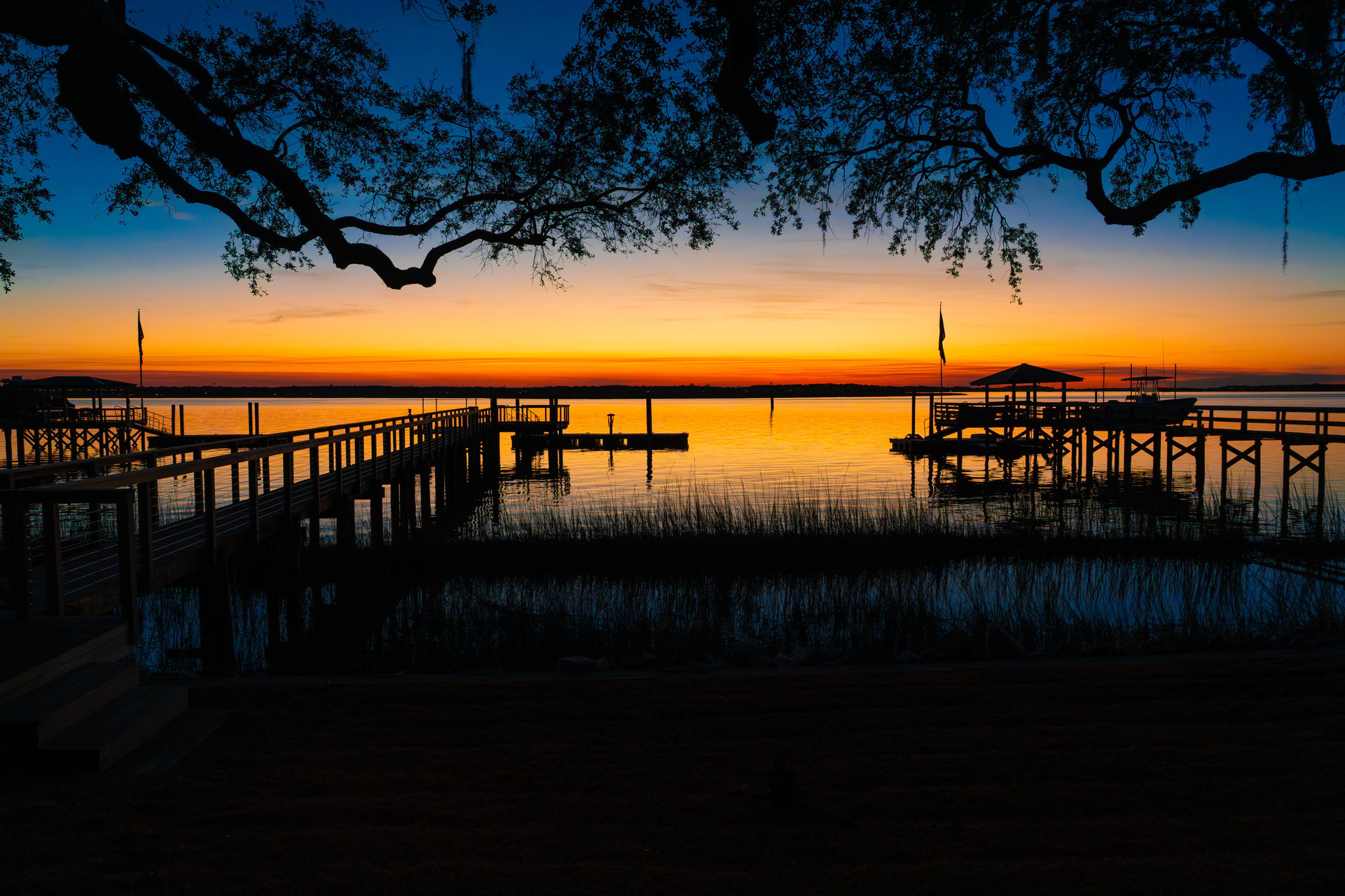
Across nearly every one of these neighborhoods, the pitch is the same: waterfront and marshfront lots along the Stono River, Wappoo Creek, Elliott Cut, or Charleston Harbor, offering breathtaking panoramic marsh views, unforgettable sunsets, and an unbeatable location just minutes from both Folly Beach and historic downtown Charleston, with several communities offering true deepwater access for anyone looking to keep a boat at their own dock rather than a public landing.
Our agents are true Lowcountry experts who take great responsibility in helping you find your dream home. If you're looking to call Charleston home, they would be happy to assist you.
Citations: